From its mystery-shrouded ancient sites and hedonistic seaside havens to some of the best food and art that will leave you spellbound, Mexico has a lot on offer for the intrepid traveller. We bring you our top 10 reasons why this vibrant Central American nation should feature on your travel bucket list for 2019.


By Raul Dias
1. Pre-Columbian wonders
It is safe to say that Mexico has the greatest concentration of some of the most stunning manmade structures of the ancient world. Just 50km form Mexico City in the ancient Aztec site of Teotihuacán, the two giant pyramids of the Avenue of the Dead and the Temple of Quetzalcóatl stand out in their magnificence. Another must-visit is the great pyramid of Cobá called Nohoch Mul which is the highest Mayan building on the Yucátan Peninsula. Still in the Yucátan, make sure to pay obeisance at the time temple of El Castillo at Chichén Itza to know what communing with divinity feels like.
2. Vibrant festivals
Perhaps one of the few countries in the world, where death is celebrated with so much fervour, come early November and Mexico puts on a ‘spooktacular show’ for the Day of the Dead or Dia de Muertos. Luridly coloured, jazzed up candy skulls, ghoul face-painted revellers and effigies of La Calavera Catrina (the seductive female skeleton) can be seen everywhere. Interestingly, unlike other popular festivals like Semana Santa, La Morisma and Carnaval, Dia de Muertos is not only a Catholic festival, but also one that is celebrated by indigenous communities like the Purépecha of Michaocán who spend the night partying at graveyards. Speaking of indigenous festivals, others like the grand vernal and autumnal equinox festivals are celebrated at the revered Chichén Itza site in March and September respectively.
3. More than just tacos!
While the much-worshipped corn dough or masa may be the lynchpin for most dishes that come under the ambit of what we recognise as being Mexican cuisine—with the ubiquitous tacos and quesadillas being the most famous exports—there is a whole treasure trove of hidden edible delights, that will make your gastronomic quest in Mexico a rewarding one. Regional dishes like the pre-Columbian, orange juice-marinated roast meat cochinita pibil from the Yucatán Peninsula, pescado zarandeado or grilled fish wrapped in banana leaf from Nayarit and the zesty, hominy-rich pozole soup from Jalisco are sure to up the exotic foods ante, if that’s what you’re looking for. For the true-blue adventurous palate, there are plenty of surprises in the form of San Luis Potosi’s flower of the barrel cactus dish called cabuches or perhaps armadillo en adobo where the name says it all!
4. Sun, sea and surf
Coastal Mexico is that kind of a place where every single one of your beach-related fantasies come alive! Think sipping potent pina coladas at a palm frond-thatched bar or enjoying an afternoon siesta snugly ensconced in a cabana and they all come to fruition at some of the country’s best beach resort destinations. Iconic places like Cancun where the sand is the softest or Playa Maruata whose Michoacán Beach is infested with black sea turtles are just a few. Jutting out like a long limb, the Baja California Peninsula is home to the famed Cabo San Lucas, a resort city at its southern tip which is the perfect spot to indulge in adventure sports like surfing and snorkelling and post that, some hardcore nightlife at its world-class clubs.
5. Drinks that defy convention
Long before the world and its best friend went berserk over the blue agave-produced tequila and its close cousin mezcal, the ancient Mexicans got their kick from indigenous drinks like atole. Made by boiling corn in milk or water and then sweetened with either sugar or piloncillo (a cane sweetener), atole is a fermented drink that’s very popular in Mexico to this day. Another indigenous drink from the region of Veracruz, aguardiente, which literally means ‘fiery water’ is an unrefined alcoholic drink that’s truly for the adventurous. Want to stay off the sauce? Available at almost every street-side corner around Mexico are a range of icy, fruit-based drinks called agua frescas where the tamarind flavoured one trumps all. Made from rice, almonds and cinnamon, horchata is another unusual, but yummy drink as is the spicy, sugar-free Mexican hot chocolate made from dairy-free dark chocolate that’s often spiked with chilli.
6. Art for all!
There is little doubt that at the very forefront of Mexico’s dynamics art scene is the enigmatic couple, Frida Kahlo and Diego Rivera. While the former’s bold and colourful pieces can be found superbly curated at Mexico City’s Museo Frida Kahlo, Rivera’s great murals that show a slice of the country’s history and cultural identity are best represented at the Secretaria de Educacion Publica and at the Palacio National, both also in Mexico City. Head out to Capula at the foothills of Michoacán for an eyeful of the weird and wonderful sculptures at artist Juan Torres’ property. For some pre-Hispanic art, check out the Olmec Heads in the Gulf of Mexico that date back to 900BC.
7. Mayan Mexico
Wielding perhaps the greatest clout of all of ancient Mexico’s civilisations, the Mayan influence on the country is best celebrated at places like Tulum and Palenque with its exquisite palaces, tombs and temples decorated with carvings and paintings. For a glimpse of modern day Mayan life (yes, it exists) take a detour to the mountain town of San Cristóbal de Las Casas which is surrounded by traditional modern Mayan villages that we swear aren’t oxymorons!
8. Nature’s bounty
Not many would know this, but seven of the eight species of sea turtle in the world nest along Mexico’s beaches, making turtle conservation sanctuaries like El Tortugario near Cuyutlán a must visit. The cactus forest of the Zapotitlán Salinas zone of the Tehuacán-Cuicatlán Biosphere Reserve shows you just how important cacti are to Mexican culture. But if there is one place we would recommend you devote all your nature love to, then that would have to be to the bright blue Agua Azul waterfalls on the Xanil River in the southern Mexican state of Chiapas.
9. Colonial vestiges
Bringing to Central America a decidedly European flair are Mexico’s colonial strongholds like Puebla and Monterrey with their well-preserved zocalos (town squares), churches and world class museums. Other places like Zacatecas on the edge of the northern desert with its brilliant colonial architecture and the walled city of Campeche famous for its bastions that once defended the city from pirates should feature on your colonial Mexico itinerary.
10. The sporty side of life
Known as fútbol, soccer is the de facto national sport where the national team El Tri (the tricolour) are revered like Gods. Check out a match at Mexico City’s Estadio Axteca and soak up the unbridled passion that the fans display. Borrowed from their northern neighbour, USA, baseball too is a very popular sport with the two strongest clubs being the Tomateros and the Naranjeros. Popular in the north of the country, charreadas or rodeos are fun as are the highly dramatised lucha libre wrestling matches held all over Mexico. But if there is one sport that you won’t find anywhere else in the world then that would have to be the Mesoamerican indigenous game of ulama as it is called in Sinaloa, where a rubber ball is meant to be kept off the ground by two teams by all means. And yes, the operative words here being ‘all means’!


By Raul Dias
1. Pre-Columbian wonders
It is safe to say that Mexico has the greatest concentration of some of the most stunning manmade structures of the ancient world. Just 50km form Mexico City in the ancient Aztec site of Teotihuacán, the two giant pyramids of the Avenue of the Dead and the Temple of Quetzalcóatl stand out in their magnificence. Another must-visit is the great pyramid of Cobá called Nohoch Mul which is the highest Mayan building on the Yucátan Peninsula. Still in the Yucátan, make sure to pay obeisance at the time temple of El Castillo at Chichén Itza to know what communing with divinity feels like.
2. Vibrant festivals
Perhaps one of the few countries in the world, where death is celebrated with so much fervour, come early November and Mexico puts on a ‘spooktacular show’ for the Day of the Dead or Dia de Muertos. Luridly coloured, jazzed up candy skulls, ghoul face-painted revellers and effigies of La Calavera Catrina (the seductive female skeleton) can be seen everywhere. Interestingly, unlike other popular festivals like Semana Santa, La Morisma and Carnaval, Dia de Muertos is not only a Catholic festival, but also one that is celebrated by indigenous communities like the Purépecha of Michaocán who spend the night partying at graveyards. Speaking of indigenous festivals, others like the grand vernal and autumnal equinox festivals are celebrated at the revered Chichén Itza site in March and September respectively.
3. More than just tacos!
While the much-worshipped corn dough or masa may be the lynchpin for most dishes that come under the ambit of what we recognise as being Mexican cuisine—with the ubiquitous tacos and quesadillas being the most famous exports—there is a whole treasure trove of hidden edible delights, that will make your gastronomic quest in Mexico a rewarding one. Regional dishes like the pre-Columbian, orange juice-marinated roast meat cochinita pibil from the Yucatán Peninsula, pescado zarandeado or grilled fish wrapped in banana leaf from Nayarit and the zesty, hominy-rich pozole soup from Jalisco are sure to up the exotic foods ante, if that’s what you’re looking for. For the true-blue adventurous palate, there are plenty of surprises in the form of San Luis Potosi’s flower of the barrel cactus dish called cabuches or perhaps armadillo en adobo where the name says it all!
4. Sun, sea and surf
Coastal Mexico is that kind of a place where every single one of your beach-related fantasies come alive! Think sipping potent pina coladas at a palm frond-thatched bar or enjoying an afternoon siesta snugly ensconced in a cabana and they all come to fruition at some of the country’s best beach resort destinations. Iconic places like Cancun where the sand is the softest or Playa Maruata whose Michoacán Beach is infested with black sea turtles are just a few. Jutting out like a long limb, the Baja California Peninsula is home to the famed Cabo San Lucas, a resort city at its southern tip which is the perfect spot to indulge in adventure sports like surfing and snorkelling and post that, some hardcore nightlife at its world-class clubs.
5. Drinks that defy convention
Long before the world and its best friend went berserk over the blue agave-produced tequila and its close cousin mezcal, the ancient Mexicans got their kick from indigenous drinks like atole. Made by boiling corn in milk or water and then sweetened with either sugar or piloncillo (a cane sweetener), atole is a fermented drink that’s very popular in Mexico to this day. Another indigenous drink from the region of Veracruz, aguardiente, which literally means ‘fiery water’ is an unrefined alcoholic drink that’s truly for the adventurous. Want to stay off the sauce? Available at almost every street-side corner around Mexico are a range of icy, fruit-based drinks called agua frescas where the tamarind flavoured one trumps all. Made from rice, almonds and cinnamon, horchata is another unusual, but yummy drink as is the spicy, sugar-free Mexican hot chocolate made from dairy-free dark chocolate that’s often spiked with chilli.
6. Art for all!
There is little doubt that at the very forefront of Mexico’s dynamics art scene is the enigmatic couple, Frida Kahlo and Diego Rivera. While the former’s bold and colourful pieces can be found superbly curated at Mexico City’s Museo Frida Kahlo, Rivera’s great murals that show a slice of the country’s history and cultural identity are best represented at the Secretaria de Educacion Publica and at the Palacio National, both also in Mexico City. Head out to Capula at the foothills of Michoacán for an eyeful of the weird and wonderful sculptures at artist Juan Torres’ property. For some pre-Hispanic art, check out the Olmec Heads in the Gulf of Mexico that date back to 900BC.
7. Mayan Mexico
Wielding perhaps the greatest clout of all of ancient Mexico’s civilisations, the Mayan influence on the country is best celebrated at places like Tulum and Palenque with its exquisite palaces, tombs and temples decorated with carvings and paintings. For a glimpse of modern day Mayan life (yes, it exists) take a detour to the mountain town of San Cristóbal de Las Casas which is surrounded by traditional modern Mayan villages that we swear aren’t oxymorons!
8. Nature’s bounty
Not many would know this, but seven of the eight species of sea turtle in the world nest along Mexico’s beaches, making turtle conservation sanctuaries like El Tortugario near Cuyutlán a must visit. The cactus forest of the Zapotitlán Salinas zone of the Tehuacán-Cuicatlán Biosphere Reserve shows you just how important cacti are to Mexican culture. But if there is one place we would recommend you devote all your nature love to, then that would have to be to the bright blue Agua Azul waterfalls on the Xanil River in the southern Mexican state of Chiapas.
9. Colonial vestiges
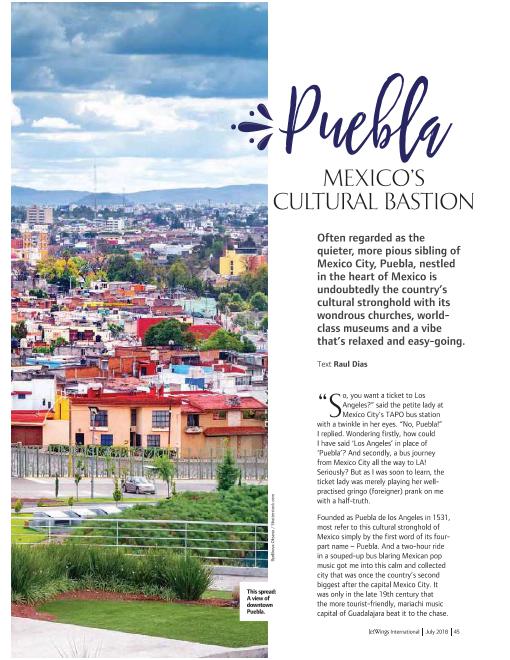
Bringing to Central America a decidedly European flair are Mexico’s colonial strongholds like Puebla and Monterrey with their well-preserved zocalos (town squares), churches and world class museums. Other places like Zacatecas on the edge of the northern desert with its brilliant colonial architecture and the walled city of Campeche famous for its bastions that once defended the city from pirates should feature on your colonial Mexico itinerary.
10. The sporty side of life
Known as fútbol, soccer is the de facto national sport where the national team El Tri (the tricolour) are revered like Gods. Check out a match at Mexico City’s Estadio Axteca and soak up the unbridled passion that the fans display. Borrowed from their northern neighbour, USA, baseball too is a very popular sport with the two strongest clubs being the Tomateros and the Naranjeros. Popular in the north of the country, charreadas or rodeos are fun as are the highly dramatised lucha libre wrestling matches held all over Mexico. But if there is one sport that you won’t find anywhere else in the world then that would have to be the Mesoamerican indigenous game of ulama as it is called in Sinaloa, where a rubber ball is meant to be kept off the ground by two teams by all means. And yes, the operative words here being ‘all means’!
(An edited version of this article first appeared in the December 2018 issue of Jetwings Domestic in-flight magazine of Jet Airways http://www.jetairways.com/EN/IN/jetexperience/magazines.aspx)