Tuesday, December 4, 2018

10 Reasons to Do Mexico!

From its mystery-shrouded ancient sites and hedonistic seaside havens to some of the best food and art that will leave you spellbound, Mexico has a lot on offer for the intrepid traveller. We bring you our top 10 reasons why this vibrant Central American nation should feature on your travel bucket list for 2019.     


By Raul Dias

1. Pre-Columbian wonders
It is safe to say that Mexico has the greatest concentration of some of the most stunning manmade structures of the ancient world. Just 50km form Mexico City in the ancient Aztec site of Teotihuacán, the two giant pyramids of the Avenue of the Dead and the Temple of Quetzalcóatl stand out in their magnificence. Another must-visit is the great pyramid of Cobá called Nohoch Mul which is the highest Mayan building on the Yucátan Peninsula. Still in the Yucátan, make sure to pay obeisance at the time temple of El Castillo at Chichén Itza to know what communing with divinity feels like.
 
2. Vibrant festivals
Perhaps one of the few countries in the world, where death is celebrated with so much fervour, come early November and Mexico puts on a ‘spooktacular show’ for the Day of the Dead or Dia de Muertos. Luridly coloured, jazzed up candy skulls, ghoul face-painted revellers and effigies of La Calavera Catrina (the seductive female skeleton) can be seen everywhere. Interestingly, unlike other popular festivals like Semana Santa, La Morisma and Carnaval, Dia de Muertos is not only a Catholic festival, but also one that is celebrated by indigenous communities like the Purépecha of Michaocán who spend the night partying at graveyards. Speaking of indigenous festivals, others like the grand vernal and autumnal equinox festivals are celebrated at the revered Chichén Itza site in March and September respectively. 

3. More than just tacos!
While the much-worshipped corn dough or masa may be the lynchpin for most dishes that come under the ambit of what we recognise as being Mexican cuisine—with the ubiquitous tacos and quesadillas being the most famous exports—there is a whole treasure trove of hidden edible delights, that will make your gastronomic quest in Mexico a rewarding one. Regional dishes like the pre-Columbian, orange juice-marinated roast meat cochinita pibil from the Yucatán Peninsula, pescado zarandeado or grilled fish wrapped in banana leaf from Nayarit and the zesty, hominy-rich pozole soup from Jalisco are sure to up the exotic foods ante, if that’s what you’re looking for. For the true-blue adventurous palate, there are plenty of surprises in the form of San Luis Potosi’s flower of the barrel cactus dish called cabuches or perhaps armadillo en adobo where the name says it all!

4. Sun, sea and surf
Coastal Mexico is that kind of a place where every single one of your beach-related fantasies come alive! Think sipping potent pina coladas at a palm frond-thatched bar or enjoying an afternoon siesta snugly ensconced in a cabana and they all come to fruition at some of the country’s best beach resort destinations. Iconic places like Cancun where the sand is the softest or Playa Maruata whose Michoacán Beach is infested with black sea turtles are just a few. Jutting out like a long limb, the Baja California Peninsula is home to the famed Cabo San Lucas, a resort city at its southern tip which is the perfect spot to indulge in adventure sports like surfing and snorkelling and post that, some hardcore nightlife at its world-class clubs.

5. Drinks that defy convention
Long before the world and its best friend went berserk over the blue agave-produced tequila and its close cousin mezcal, the ancient Mexicans got their kick from indigenous drinks like atole. Made by boiling corn in milk or water and then sweetened with either sugar or piloncillo (a cane sweetener), atole is a fermented drink that’s very popular in Mexico to this day. Another indigenous drink from the region of Veracruz, aguardiente, which literally means ‘fiery water’ is an unrefined alcoholic drink that’s truly for the adventurous. Want to stay off the sauce? Available at almost every street-side corner around Mexico are a range of icy, fruit-based drinks called agua frescas where the tamarind flavoured one trumps all. Made from rice, almonds and cinnamon, horchata is another unusual, but yummy drink as is the spicy, sugar-free Mexican hot chocolate made from dairy-free dark chocolate that’s often spiked with chilli. 

6. Art for all!
There is little doubt that at the very forefront of Mexico’s dynamics art scene is the enigmatic couple, Frida Kahlo and Diego Rivera. While the former’s bold and colourful pieces can be found superbly curated at Mexico City’s Museo Frida Kahlo, Rivera’s great murals that show a slice of the country’s history and cultural identity are best represented at the Secretaria de Educacion Publica and at the Palacio National, both also in Mexico City. Head out to Capula at the foothills of Michoacán for an eyeful of the weird and wonderful sculptures at artist Juan Torres’ property. For some pre-Hispanic art, check out the Olmec Heads in the Gulf of Mexico that date back to 900BC.

7. Mayan Mexico
Wielding perhaps the greatest clout of all of ancient Mexico’s civilisations, the Mayan influence on the country is best celebrated at places like Tulum and Palenque with its exquisite palaces, tombs and temples decorated with carvings and paintings. For a glimpse of modern day Mayan life (yes, it exists) take a detour to the mountain town of San Cristóbal de Las Casas which is surrounded by traditional modern Mayan villages that we swear aren’t oxymorons!   

8. Nature’s bounty
Not many would know this, but seven of the eight species of sea turtle in the world nest along Mexico’s beaches, making turtle conservation sanctuaries like El Tortugario near Cuyutlán a must visit. The cactus forest of the Zapotitlán Salinas zone of the Tehuacán-Cuicatlán Biosphere Reserve shows you just how important cacti are to Mexican culture. But if there is one place we would recommend you devote all your nature love to, then that would have to be to the bright blue Agua Azul waterfalls on the Xanil River in the southern Mexican state of Chiapas.

9. Colonial vestiges
Bringing to Central America a decidedly European flair are Mexico’s colonial strongholds like Puebla and Monterrey with their well-preserved zocalos (town squares), churches and world class museums. Other places like Zacatecas on the edge of the northern desert with its brilliant colonial architecture and the walled city of Campeche famous for its bastions that once defended the city from pirates should feature on your colonial Mexico itinerary. 

10. The sporty side of life
Known as fútbol, soccer is the de facto national sport where the national team El Tri (the tricolour) are revered like Gods. Check out a match at Mexico City’s Estadio Axteca and soak up the unbridled passion that the fans display. Borrowed from their northern neighbour, USA, baseball too is a very popular sport with the two strongest clubs being the Tomateros and the Naranjeros. Popular in the north of the country, charreadas or rodeos are fun as are the highly dramatised lucha libre wrestling matches held all over Mexico. But if there is one sport that you won’t find anywhere else in the world then that would have to be the Mesoamerican indigenous game of ulama as it is called in Sinaloa, where a rubber ball is meant to be kept off the ground by two teams by all means. And yes, the operative words here being ‘all means’!


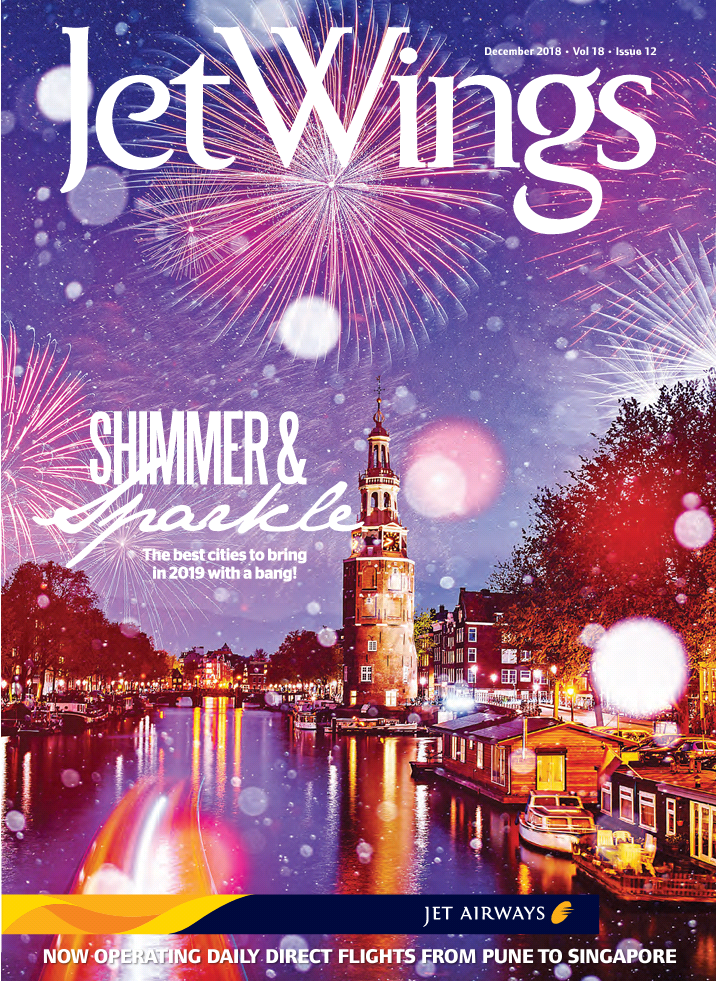
(An edited version of this article first appeared in the December 2018 issue of Jetwings Domestic in-flight magazine of Jet Airways http://www.jetairways.com/EN/IN/jetexperience/magazines.aspx)


Surf’s Up!

Fancy learning to ride the surf-crested waves while enjoying a bit of sun and sand on the side in Sri Lanka? We bring you a few of the best surfing schools on the tear drop-shaped island. Places where your inner wave rider is just waiting to be released...


By Raul Dias

Ahikava Surf School, Galle
As much as it is known as a town with great historical significance, Galle along Sri Lanka’s South Coast is being recognised as one of the world’s leading new surfing hot-spots. Thanks to their impressive swells, the waters off the beaches in and around Galle are fast becoming magnets for surfers who flock to them in droves. And so, recognising this is the Ahikava Surf School that conducts its hands-on classes on the bay of Bonovosta, commonly known as the Dewata Sahana surfing beach. Located a mere 10-minute drive away from Galle towards Matara, the beach with its sandy bottom break makes it safe for you when surfing the first time. From courses that start at just an hour hour-long introductory one to an intensive 7-day certificate course, the school prepares novice surfers for everything from identifying current rips and sweeps so you stay safe while in the water, to practicing that all-important proper surf etiquette when in a line-up to avoid wave crashing.

Ahikava Surf School
No 420/G, Matara Road, Beach of Bonovista,
Dewata, Galle-80000
+94 775903527
srilankasurfingschool.com


Kumara Surf School, Arugam Beach  
So secluded and unknown is Arugam Bay along Sri Lanka’s East Coast, that most often than not, the only other visitors to its tiny beach are the playful little crabs that can be seen scampering about. But ask those in the know and the stories they will tell you are sure to inspire your next surfing holiday to this magical spot of sand. ‘Pristine blue waters meet virgin beach’ is the best way to describe Arugam Bay without going into hyperbolic overdrive. But it is the world class surfing here that does a whole lot more of the talking. And while there may not be many places to rent out gear and help with all your other surfing requirements, a surfing course at Kumara Surf School here is the ideal way to get an introduction to the calm waves that lap along the bay’s beach. A surfing novice? Fear not. Due to the beach break, Arugam Bay is the perfect spot for all levels of beginners. What’s interesting is that the surf school lead by pro surfer Kumara is run entirely by local guys who started out with just three (borrowed!) surf boards. Today, all the school’s instructors are ISA (International Surfing Association) and ILS (International Lifesaving Federation)-certified and ready to introduce you to the water sport they are obsessed with.

Kumara Surf School
Ulla Pottuvil
Arugam Bay-32500
+94 774333374
kumarasurfschool.com


Sion Surf Camp, Ahangama 
While the South Coast may have the reputation of Sri Lanka’s top backpacker haven, it also has a delicious little secret that not many are aware of. And we’re alluding to that of a surfing haven where one can ride some of the best waves the island has to offer along its Ahangama Beach stretch. With a calm reef break right outside, this surf camp is perfect for both surfing amateurs and the more professional surfers to get their feet (and everything else!) wet in its warm, azure waters. Suitable for surfers of all ages and all levels, the seven-day surfing course at Sion Surf Camp comes replete with a homestay experience, including all dinners and yoga sessions to keep you as nimble as you can get for your surfing sessions. As far as those after hours are concerned, the South Coast has some great ‘aprés-surf’options like the legendary beach parties at the many shacks doting the nearby beaches of Weligama, Unawatuna and Mirrissa.

Sion Surf Camp
Goviyapana
Ahangama-80650
+94 775024602
sionsurfcamp.com


The Surfer Weligama, Weligama
Made up of two different in-residence surfer camps—The Surfer Beach Camp and the TS2-Weligama Surf Camp—The Surfer Weligama makes the most of the pristine stretch of sand that is the Weligama Beach. Said to be situated in the best spot on the beach in front of a less crowded beginner break and walking distance to the Weligama main spot, this surf school also provides an easy access to reach another nine to ten surf spots within a 10-minute radius…besides great accommodation and food, of course. The school offers three surf packages: LEVEL 01 for beginners, LEVEL 02 for those that have been in the water before and the Surf Guiding package for those fairly proficient with riding the waves. All this, with a team of experienced instructors of Lankan, Germans, Dutch, Scandinavians and British-origin who have good local knowledge, perfect for helping you navigate the waves like a soon-to-be-pro!

The Surfer Weligama
NO 65, Wadana Watta,
Pelena, Weligama-81700
+94 773926614
thesurferweligama.com


For the Experienced Surfer…
Surf School Sri Lanka, Ahangama
In a marked departure from the other schools on this list, the Surf School Sri Lanka in Ahangama does not cater to beginners and is purely for all those experienced surfers out there who need to pre-book a spot way in advance. Here, you can choose from a varied number of courses that start from a 5-day one and go up to a more intensive 10-day course, with each beginning early in the morning at 6am with a 2.4-hour ‘in water’ coaching sessions followed by video classes. Employing a specially devised system by coaching director Tim Jones, the lessons here are delivered by ISA certified surf coaches with ratios being four coaches to every one student. And now that Sri Lanka has its first National Surfing Federation—along with its tie in with the ISA—offering ISA coaching qualifications gives visitors a greater quality of coaching. With their season running from the beginning of November to the end of April each year, now’s the perfect time to head there for a week or so to get your surfing A-Game on.

Surf School Sri Lanka
Amaravila Kathaluwa,
Ahangama-80650
+94 754726844
surfschoolsrilanka.com


(An edited version of this article first appeared in the December 2018 issue of Jetwings Domestic in-flight magazine of Jet Airways http://www.jetairways.com/EN/IN/jetexperience/magazines.aspx)

Sunday, December 2, 2018

Notes from Hungary


By Raul Dias 
Like any seasoned traveller, I have a non-negotiable set of ‘rituals’ that I need to perform when visiting any new place. Chief among those is to visit a food market to get a pulse of the quotidian life of the local people. I love nothing better than to see bossy grannies haggle their way though a purchase of tomatoes. In European markets, I greedily look forward to the generous samples cheese-mongers and charcutiers put out for gourmands like myself.
So, on a recent trip to Hungary, the minute I was done with checking into my hotel in Budapest, I sauntered down to the city’s Great Market Hall housed at the end of the famous pedestrian shopping street Váci Utca on the Pest side of Liberty Bridge at Fővám Square. And while I did get my fill of both bargaining octogenarians and some rather strange local charcuterie — particularly the lókolbász or horse meat sausage — I encountered row upon row of stalls in the market dedicated to a single spice. Paprika.
Revelling in all its sweet-n-smoky glory, paprika is the de facto spice of Hungary, where almost the entire cuisine pivots around the axis created by the spice. And paprika-obsessed Hungarians have a certain Mr. Christopher Columbus to thank. Originating in Central Mexico, the spice that consists of dried and ground chillies made its way to the far Balkans via Spain when the Turks introduced paprika to the Balkan Peninsula in the 18th century during the Ottoman rule.

Dash of heat
Interestingly, thanks to it being packed with Vitamins A and E and capsaicin — which is said to have anti-cancer, antioxidant and anti-inflammatory properties — paprika was first used by Hungarians as a medicine for treating typhus. It is also capsaicin that gives chillies their heat.
In fact, up until 1920, all paprika was super-hot. It was only when a hybrid variety of the plant was created in the southern Hungarian region of Szeged that paprika got its distinct sweet and smoky flavour profile. In fact, the Szeged paprika museum is said to be a very popular tourist spot where everybody is sent off with a 10-gram sampling of paprika.
Back at Great Market Hall, I soon realised there is no one paprika that fits into all dishes. A rather patient stall owner with much better English language skills than my non-existent Hungarian gave me the paprika 101. Apparently, the two most common types of paprika are either édes (sweet) or csipős (hot). But one could also go for the különleges deep red, finely ground paprika, which is mild. Or for those with a predilection for a dash of searing heat in their food, the rózsa, a dark red, medium-coarse paprika which tends to be very hot, is your best bet.
At lunch later that day at Zeller Bistro, a Budapest icon that regularly gets its share of ‘five star’ reviews for its wide range of paprika-rich offerings, Zoltan, an old university buddy, introduced me to a plethora of Hungarian classics that hero the spice. We started off with a cliché. Better known to most as goulash, gulyásleves is by itself a very basic meat and potatoes kind of stew that gets elevated to high gastronomic heaven when a dash of paprika and cream are added to it. Similarly, halászlé, the humble fishermen’s soup — made using river fish like carp or pike fished from the Danube — takes on a spicy hue when the warmer édesnemes variety of paprika is added to it.
By then, utterly obsessed with all things paprika, I found myself at Paprika Molnar factory, in the village of Roszke 15 kilometres from Szeged city. It is here I took a guided tour and learnt how things weren’t all rosy (pun intended) for paprika very recently, almost causing a national crisis.
In 2013, production hit a rough patch when Hungarian paprika exports slumped, as buyers across the world turned to cheaper supplies mainly from China and Latin America. This was in the wake of two years of unpredictable weather Hungary faced, resulting in the poorest yield of the paprika-producing capsicum annuum chilli in 50 years. I was told there was even talk of the possibility of Hungary having to import its very own treasured spice.
But in the last five years, things have taken an upward swing with production back on track, and once again, all is well in the land that literally worships its ‘red gold’.

(This article first appeared in the 2nd December 2018 issue of The Hindu newspaper's Sunday Magazine section on page 7 https://www.thehindu.com/life-and-style/travel/notes-from-hungary/article25642593.ece)

Sunday, November 18, 2018

Dubai’s Newest Glam-Zone!

With an enviable location perched on the banks of the iconic Dubai Creek, the stylish new Zabeel House Al Seef by Jumeirah is a swanky new addition to the city’s booming hotel scene. Raul Dias gives you four reasons why you need to stay here on your next jaunt to the glitzy Emirate of Dubai. 


By Raul Dias

1. Location, Location, Location
As the second hotel in Jumeirah’s new ‘Upscale Casual’ collection, Zabeel House Al Seef—which opened its doors in June this year—offers a chilled-out, hip, loft-style vibe on the south banks of Dubai Creek with a rooftop pool offering up views of the megalopolis to die for. Just like this hotel that it houses, Al Seef is a new district of 90 restaurants and 350 retail outlets, all nestled on the banks of Dubai Creek. It’s the perfect jumping-off point to explore the older parts of Dubai including the wind towers, galleries and cafes of Al Fahidi; the spice, textile and gold souks; and the old homes of Al Shindigha. The hotel is also conveniently located for exploring other parts of the city with Downtown Dubai, Dubai Mall and the beaches of Jumeirah just 15 minutes away.

2. Cocoons of Bliss
With 200 rooms, the hotel caters to all sorts of travellers, offering three different sized rooms for the solo traveller, couples or families. Think king-size B&B Italia mattresses in the ‘Plush’ and ‘Suite’ rooms or Simmons mattresses in the popular rooms, oversized oak dining and work tables, minimalist wardrobe spaces, hammocks for lounging on when reading, contemporary art on the walls and ceilings inspired by Dubai and you’ll get our drift. Enjoy more luxe amenities in the form of free-standing bathtubs for that ultimate soak—all complete with organic liquid toiletries by OSME, signature black SMEG mini bars, N’espresso coffee machines and a SuitePad, perfect for making plans for the days ahead or simply for ordering that late-night snack!

3. Edible Wonders
Speaking of food, there’s much to be said about the legendary food and beverage scene in Dubai, and this hotel has a lot to offer on that front! Chapters is not your normal lobby bar, as you are encouraged to settle in for a while with one of the books pulled down from the surrounding bookcases. Through the lobby you’ll find Nyon serving Mediterranean and Middle-Eastern bites throughout the day. Don’t forget to check out the black and white photographs on display here that showcase some of the world’s most iconic cities. A recent addition to the hotel’s F&B scene, Skafos is a wonderful alfresco gastro restaurant reaching out over the waters of Dubai Creek, the ideal spot to watch the dhows and abras cruise past. Seven floors above, the Sol Sky Bar sits on the brim of the rooftop pool with a cocktail menu to match the variety of panoramic views of the city.

4. R&R at its Best
The vast open-plan lobby provides the perfect location for catch-ups with colleagues, clients or friends. Here is where you are first welcomed into the hotel with a ginger shot mixed with fresh saffron from the Spice Souk and pure honey from Yemen. From the group of human sculptures raising their hats to you as you enter the hotel, to the abstract art display called the ‘cityscape’ which portrays Dubai’s transformation and the stereos that adorn the reception desk and the spa, there’s design details to inspire at every turn. And if you’re looking for zen throughout your stay, the hotel has a well-equipped indoor gym, complete with sauna, steam room and two treatment rooms. For the outdoorsy kind, head out for a run on the 2-kilometre promenade that stretches from the hotel alongside the Creek.

Zabeel House Al Seef
al Seef, Dubai Creek
PO BOX 35449, Dubai UAE
Tel: +971-4-7077077
reservtions@zabeelhouse.com

(An edited version of this article first appeared in the 18th November 2018 issue of The Free Press Journal newspaper's Weekend section on page 3 http://epaper.freepressjournal.in/m5/1900464/Free-Press-Mumbai-Edition/18-Nov-2018#page/13/1)

A-N-A-T-O-M-I-Z-E: Ruby Chocolate


By Raul Dias

Exactly a year ago, in September 2017, the holy trinity of dark, milk and white chocolate saw an interloper called ruby chocolate disrupting their unchallenged hegemony for its own piece of the chocolate pie (pun intended!). All this, a good 80 years after white chocolate was first inducted into the hallowed ‘chocolate hall of fame’, much to the horror of the chocolate cognoscenti, who, at that time, swore by their traditional dark—and to a lesser extent—milk iterations of chocolate.
With a countenance that can best be described as ‘hot pink’ and a taste that has a hint of fruity notes coupled with a tart finish, ruby chocolate made its brazen presence felt as the ‘fourth’ and newest kind of chocolate. Introduced by Barry Callebaut, a Belgian-Swiss cocoa company, the chocolate is made from the ruby cocoa bean. Found in Brazil, Ecuador and the Ivory Coast, ruby beans are existing botanical cocoa bean varieties that have been identified as having the right attributes to be processed into ruby chocolate. And these attributes include an all-natural darkish pink colour and a unique berry-like taste, sans any added artificial colouring or flavouring agents. 
Interestingly, ruby chocolate was only made available for sale to consumers in January this year, when it was introduced in Japan and South Korea with the limited-edition ruby Kit Kat bar. Similarly, in India, Fabelle, the luxury chocolate brand from ITC has recently announced a limited run of just 1,800 boxes of its ruby gianduja where the pink-hued chocolate is combined with a ganache made with Turkish hazelnuts. 


(This column first appeared in the 18th November 2018 issue of The Hindu newspaper's Sunday Magazine section on page 8)

Sunday, November 4, 2018

Around the World in Four Diwalis!


Ready for some hardcore Diwali celebrations—international style? Raul Dias takes you to four places around the world, where the Festival of Lights is celebrated by the Indian diaspora with as much gusto as it is back home in India


By Raul Dias

New York City
With perhaps one of the strongest Indian diaspora in all of North America, New York City puts on a spectacular show every year for Diwali. One of the most iconic of all these celebrations is the annual ‘Diwali at Times Square’. It is an eight-hour celebration that has everything from live performances and fashion shows to dance and music competitions, photography exhibition and other creative programs like rangoli making. It truly is a spectacular sight when the entire skyline of New York City dazzles with fireworks during Times Square Diwali. Another interesting take on Diwali celebrations in NYC is the Diwali Motorcade and Cultural Show, hosted by the Divya Jyoti Association of New York at Richmond Hill in New York City. The show comprises creative entertainment programs including a parade, a havan ceremony, worship of Goddess Lakshmi, with the event culminating in awarding prizes to the best decorated vehicles.

Guyana
While not many of us can claim to be familiar with Guyana, here Diwali is a very big deal! Located on the northeast coast of South America, Guyana (formerly known as British Guiana) may not be large geographically speaking, but it does have a sizeable population of about 7,70,000 Hindus who constitute around 33% of the country’s total population. Celebrated according to the Hindu solar calendar, the day of the festival is declared as a national holiday after it is believed to have been brought to Guyana in the year 1853 by the first indentured people from India. Similar to India, the celebration of Diwali includes distribution of sweets, illuminating the inside and outside of the house, exchange of greetings, cleaning of houses and wearing of new clothes along with making sweets like pera (peda), barfi, and kheer.

Malaysia
Along with the indigenous Malay and Chinese people, Indians—mainly of South Indian ethnicity—make up a third of the population of Malaysia. Known as Hari Deepavali, the festival is celebrated almost all over the Malaysia except in Sarawak and the Federal Territory of Labuan. While it is a public holiday in Malaysia and celebrated here with plenty of lights, there is a ‘silent’ twist to the festivities as fire crackers are banned in Malaysia. One of the best places in the Malaysian capital of Kuala Lumpur to get a feel of the pomp and splendor of Diwali is the city’s very own Little India that can be found in the Brickfields District near Bangsar. Here, the neighbourhood’s main street of Jalan Tun Sambanthan is full of the sights, smells, sounds and tastes of a true-blue Indian Diwali. Shops selling aromatic spices sit next to those blasting the latest Bollywood ditties. Traditional clothes such as saris along with jewellery, flower sellers along with the South Indian’s favourite Banana Leaf restaurants can all be found here.

London
If New York has its Times Square Diwali, London too has its wildly popular ‘Diwali on Trafalgar Square’ to boast of! Every year, The Diwali in London (DiL) committee, in partnership with the Mayor of London, brings Diwali On Trafalgar Square (DOTS) to London. This free for all celebration consists of music and dance performances, family-friendly craft activities, community stalls and delicious food from India and beyond, as part of a large programme of activities. Speaking of which, one of star attractions for this year at DOTS is the ‘Mass Ghoomar Dance’. A traditional folk dance of the Bhil tribe that is performed in worship of Goddess Sarasvati, the dance typically involves female performers twirling in and out of a wide circle. It is traditional for a newly married bride to dance the ghoomar on moving into her marital home.  


(An edited version of this article first appeared in the 4th November 2018 issue of The Free Press Journal newspaper's Weekend section on page 3 http://epaper.freepressjournal.in/m5/1883169/Free-Press-Mumbai-Edition/04-Nov-2018?fbclid=IwAR0Olf47HKsgN29ZP7lM3P2kzz140mmw08xMrf8WthNBHV2by3o1nxLZjCE#page/19/1)

Thursday, November 1, 2018

Around the World in Six Christmas Trees!

As the most beautiful harbinger of the Yuletide season, the Christmas tree is more than just a mere festive ornament and one that has come to be recognised as the de facto symbol of all things Christmas. We bring you a few iconic interpretations of the Christmas tree from around the world, each with its own story to tell…   


By Raul Dias

The Galeries Lafayette Christmas Tree, Paris
It is safe to say that come early December one of the main reasons people visit Paris’s hallowed Galeries Lafayette department store—that sits pretty along the city’s chic Boulevard Haussmann—is not only for the rather expensive Christmas gifts one can pick up there. It is to get an eyeful of the legendary themed Christmas tree that rises 43 metres up the store’s Art Nouveau wrought iron and glass dome. One of the most memorable themes of this annual tree hosting tradition is the ‘Frozen’ one of 2016. That year, artist Lorenzo Papace came up with a tree that was made entirely of recycled paper with a tableau representation of bears and cubs that showed them abandoning their crib on the North Pole in search of a new ice pack that has not melted yet. But it was the 2017 tree last year themed ‘Spectacular, Spectacular’ that literally took the cake. What with it being created entirely from giant candy pieces and other edible goodies!

The Rockefeller Center Christmas Tree, New York City
Images of people bundled up in woollies, ice skating under a giant Christmas tree, sipping hot chocolate and eating roasted chestnuts (though not all at the same time!) are montages that come to mind when one thinks of this iconic tree that has featured in countless movies over the years. Usually a Norway spruce tree ranging from 21 to 30 meters in height, this one has been a national tradition in the US for almost a century. Interestingly, the tree is older than the building it is housed in! It was way back in 1931, when a group of demolition workers working during the holidays put up their own Christmas tree on the construction site of the Rockefeller Center with a 20-foot tall balsam fir that saw tradition take shape. And ever since then, both locals and tourists alike have been staring up in gob-smacked wonder at one of the most beautiful Christmas trees of all time.

The Pope’s Christmas Tree, Vatican City
At advent every year a majestic spruce or fir Christmas tree is the chosen one to grace the very heart of St. Peter’s Square with themes that reflect important social messages ranging from migration to the refugee issue. Interestingly, this Christmas tree hosting tradition is a rather recent one. It was only in 1982 during the pontificate of Pope John Paul II that the tree as well as the life-size Nativity Scene was started. There is also one other tradition that is followed religiously (do pardon the pun!). Ever since the first tree in 1982 came from Italy, every year the Vatican accepts a tree donated by a different European country or region. Ironically the tree last year in 2017 was a 21-meter spruce tree donated by Masuria, Poland in honour of the Polish-born late Pope John Paul II. Considered one of the most beautiful Pope’s Christmas Tree ever, the 2016 one was illuminated by 18,000 LED lights and decorated with the ceramic ornaments, made by children in hospitals across Italy who were receiving treatment for cancer and other illnesses.

The Palace Square Christmas Tree, St. Petersburg
As one of the world’s most beautiful cities, stunning St Petersburg ups the ante with the wondrous spectacle that the Palace Square Christmas Tree affords all who visit it. Set against the backdrop of the baroque Winter Palace, the former official residence of Russian monarchs on the banks of the Neva River, this Christmas tree comprises green boughs attached to a wire frame. Decorated with traditional Russian Christmas ornaments including large replica Fabergé eggs, floral wreaths and other baubles, it truly mirrors the former imperial Russian grandeur at its finest. So magical and historical is this one that one can almost expect an Anna Karenina-esque character to come whirling by in a haze of powdery snow, riding a troika of silver white horses!

The Floating Christmas Tree, Rio de Janeiro
Though loathe to pick a favourite from a list such as this, we simply have got to give the crown to Rio’s Floating Christmas Tree, which interestingly is the newest of the lot having been started a little over two decades ago in 1996. Floating on a barge in the city’s Rodrigo de Freitas lagoon, this stunning, 279-foot high mammoth tree is bedecked with 3.3 million micro light bulbs, each reflecting brilliantly in the waters of the South American lagoon. In order to view it from close quarters families hire out small boats shaped like geese for a spin on the lagoon. As the world’s largest floating Christmas tree, as certified by The Guinness World Records, this one is a big draw in Brazil with the lighting ceremony nationally televised and packed with celebrities. It is so big that it ranks only behind New Year’s Eve and Carnival on the city’s list of most-watched events.

The Trafalgar Square Christmas Tree, London
Besides all its myriad year-round attractions, come winter and London plays host to one of the world’s most celebrated Christmas trees. Standing mighty next to the statue of the rather diminutive Lord Nelson in Trafalgar Square, the 20-meter tall spruce tree has been an annual gift from the Norwegian capital city of Oslo since 1947. All this as a gesture of the Norwegian people’s gratitude for Britain’s support during World War II. And as with most icons, the tree comes with its own set of traditions. Chief among them being the tree lighting ceremony that takes place on the first Thursday in December and is attended by thousands of people. Led by the Lord Mayor of Westminster, the ceremony includes a blessing of the crib ceremony, which features a torchlit procession and music from St Martin-in-the-Fields church followed by the switching on of the Christmas lights. And the rest? Pure, undiluted wonder!


(An edited version of this article first appeared in the October-November- December 2018 issue of HDFC Imperia magazine)